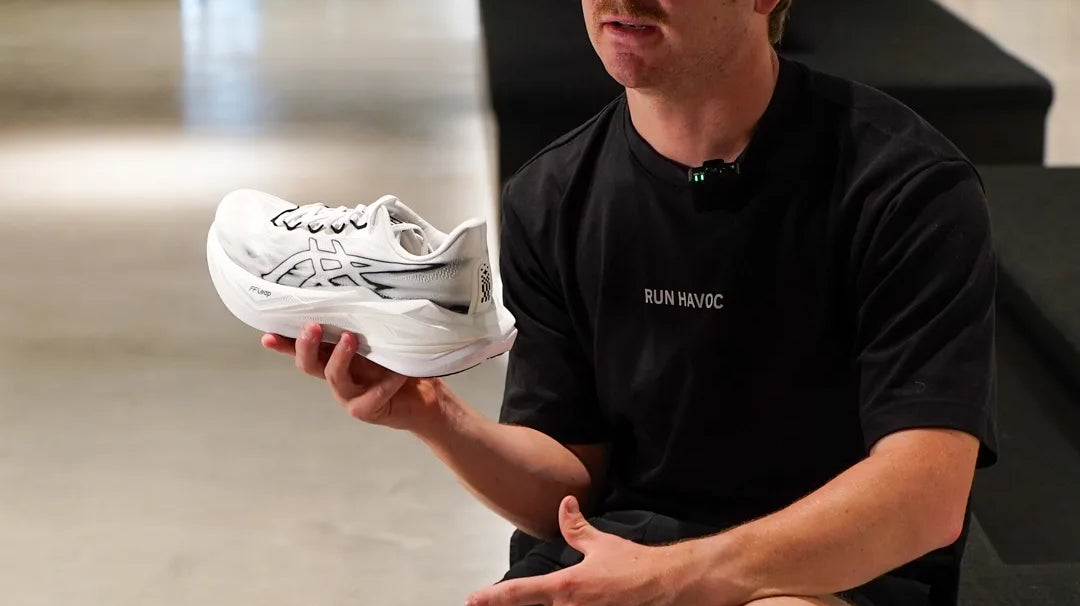












This is one we’ve been genuinely excited about. The Puma Deviate Nitro 4 is a big step forward from the previous version from Puma, and it’s a shoe that now makes sense for a much wider range of runners. If you’re ticking off easy runs, going through faster sessions, or looking for one shoe that can cover most of your training, this update feels like Puma has really been able to cater to everyone with this shoe.
The Deviate Nitro 4 feels more refined, more comfortable, and more balanced underfoot. Let’s break down who it’s for, what’s changed, and why it might be worth a spot in your rotation.

Who Is the Deviate Nitro 4 For?
The biggest change with the Deviate Nitro 4 is how it feels at easier paces. The previous version was quick and responsive, but could feel a bit firm and clunky when you wanted to jog or the pace slowed down. With this update, Puma has softened the dual layer midsole and improved the upper, which opens the shoe up to a much broader audience.
Instead of sitting strictly in that “tempo or threshold” category, the Deviate Nitro 4 now works as a shoe that you can use as a daily trainer but then still has plenty of speed when you need it. It suits runners looking for an easy everyday shoe, those wanting a fast training option, and even runners who like the idea of using one shoe across multiple different sessions.
What’s Changed in the Ride and Feel?
Underfoot, the Deviate Nitro 4 uses an updated PEBA Nitro foam setup that feels noticeably softer and smoother than before. With a top layer of Nitro foam that is 100% PEBA and the bottom layer being a PEBA blend, the dual-layer construction provides cushioning where you want it, while still keeping enough structure (thanks to the bottom layer) and responsiveness (top layer) so the shoe doesn’t feel dull or flat.
The carbon composite plate remains in place, but its role here isn’t about aggressive propulsion. Instead, it adds stability, stiffness, and helps keep the ride controlled and consistent, especially as the foam softens up and you start to fatigue over longer runs.
One of the most welcome updates is the upper. The forefoot has been widened slightly and given a bit more depth, which makes a huge difference in comfort. The lockdown through the midfoot and heel is still secure, but the shoe no longer feels overly tight or restrictive across the toes. This makes it far more comfortable for longer efforts and repeated use across the week.
Grip, Stability, and Durability
PumaGrip continues to be one of the standout features of the Deviate Nitro line, and nothing has changed here, which is a good thing. The outsole remains extremely grippy and durable, giving confidence on wet roads, corners, and even gym-style sessions.
This also makes the shoe a strong option for HYROX athletes or runners mixing road running with strength-based training, sled pushes, and functional work.
Stack Height and Geometry
The Deviate Nitro 4 now sits at 38 mm in the heel and 30 mm in the forefoot, creating an 8 mm heel-to-toe drop. Compared to the previous version which was 39mm to 29mm, this lower and more even platform gives the shoe a more stable, balanced feel. It no longer feels overly pitched forward, which again helps at slower paces and during longer runs.
This shift in geometry makes the shoe feel less “racey” and more comfortable for everyday training, while still keeping enough snap for faster sessions.
Overall Thoughts
The Puma Deviate Nitro 4 is a much more complete shoe than its predecessor. It’s comfortable, versatile, and far easier to live in day-to-day. From easy runs to faster workouts and even the occasional race if you want, it covers a lot of ground without feeling like it’s trying too hard to be something it’s not.
If you’re after a reliable shoe that still feels fun underfoot, this is absolutely one worth considering. And if the previous version felt too firm or too narrow for you, the Deviate Nitro 4 is well worth another look.

Riley Kilham
Riley is the General Manager at Run Havoc and brings hands-on experience from years of triathlon, running events, and coaching. He writes about training, performance, and finding the right gear, combining real-world insight with a passion for helping others get the most out of their movement.