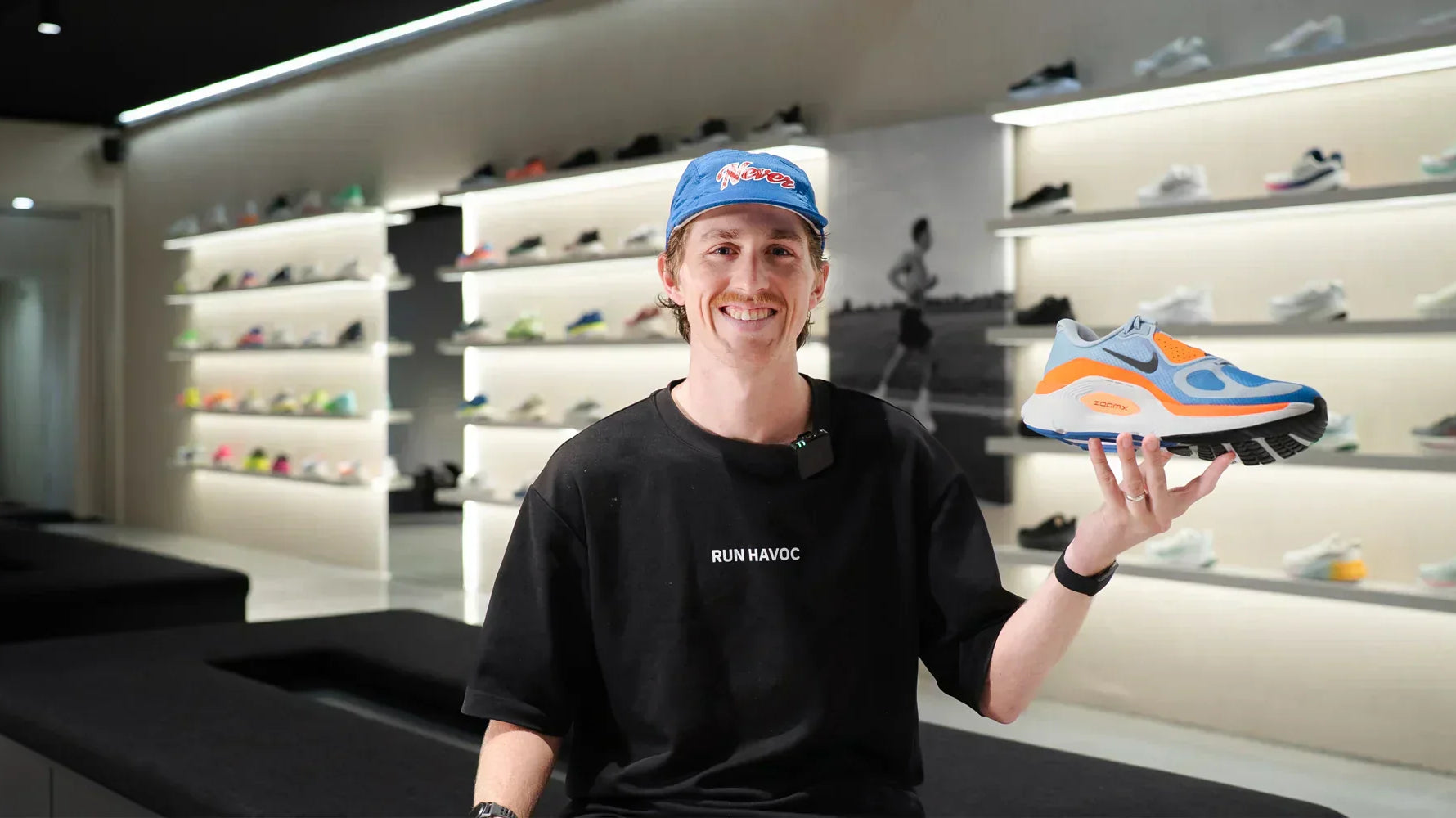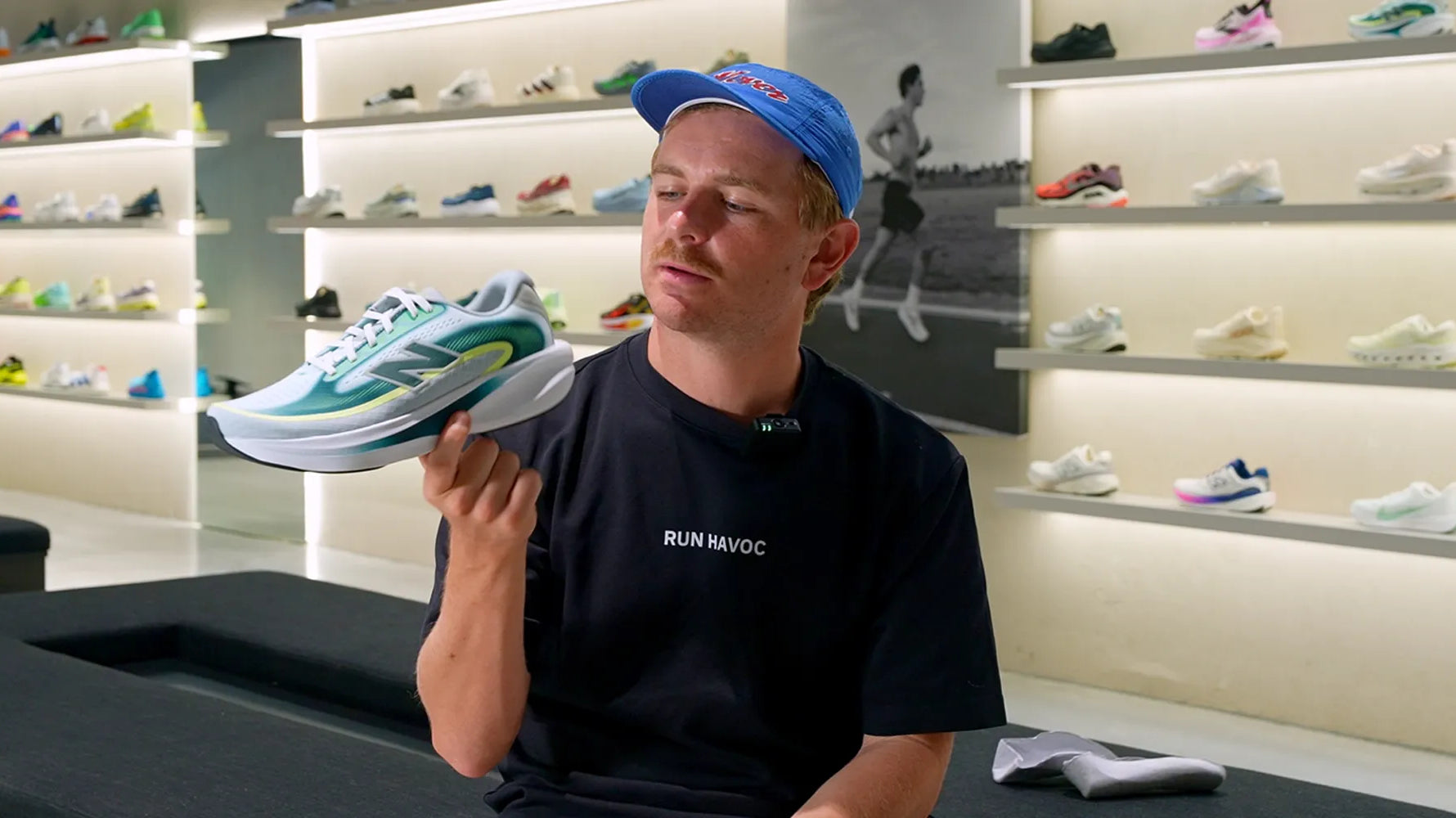










The Nike Structure Plus is the best value max cushion stability daily trainer of 2026. At $260, it pairs a ZoomX top layer with a ReactX carrier in a stability shoe for the first time, delivering a cushioned but controlled ride that suits overpronators, recovery days, and long runs. It undercuts the Asics Kayano 32 and Brooks Glycerin GTS on price.
| Price (AUS) | $260 |
| Weight | 310g / 10.9oz (men's size 9) |
| Stack Height | 42mm heel / 32mm forefoot |
| Drop | 10mm |
| Midsole | ZoomX top layer over ReactX carrier |
| Best For | Stability daily training and recovery |
| Category | Max cushion stability daily trainer |
| Run Havoc Verdict | ★★★★☆ 4/5 |
The Structure Plus is one of the most interesting stability releases we've seen in years. Nike has finally brought its ZoomX foam into a stability shoe, and the result is a max cushion daily trainer that doesn't feel like a traditional stability daily trainer. It's not the loudest, bounciest shoe in the room, but for the runner it's designed for it absolutely nails the brief.
In this review we break down who the Structure Plus is actually for, how the new dual-foam midsole rides, where it sits against competitors like the Kayano 32 and Brooks Glycerin GTS, and the few things worth knowing before you spend $260. We've put around 400km into ours here at Run Havoc in Wollongong, and here's what you need to know.

Who Is the Nike Structure Plus For?
This is always the right place to start, and the Structure Plus has a pretty clear target runner in mind.
First and most obviously, it's for someone with a degree of overpronation who wants a stability shoe that doesn't feel like a stability shoe. Modern stability design has moved away from the aggressive medial posting you'd find in something like the Structure 25 or older Kayanos, and the Structure Plus is right at the front of that shift.
It's also a strong option for runners who tend to lose form late into a long run. When your hips start to drop and your stride gets sloppy at 25km, having a wide stable platform under you can be the difference between finishing strong and limping home.
And honestly, it works really well as a recovery shoe. After a hard track session or a heavy effort, the controlled ride and the stability of the platform just keeps everything in check when you're feeling banged up. It's the shoe we keep reaching for the morning after a session.
What's New in the Nike Structure Plus?
The headline change is the midsole. For the first time in the Structure line, Nike has paired ZoomX with ReactX in a stability shoe. The ZoomX sits on top for bounce and energy return, housed within a firmer ReactX foam carrier that delivers the structural integrity required for a stability shoe.
That's a meaningful shift. ZoomX has historically lived in Nike's race shoes like the Vaporfly and Alphafly, where stability isn't really the priority. Bringing it into a stability trainer required some clever engineering, and the result is a softer, more cushioned underfoot feel than you'd get from a traditional stability shoe without losing the support.
The other big change is how the stability is delivered. There's no aggressive medial post like you'd have found in the Structure 25 or older Kayano models. Instead Nike uses geometry. You've got a really wide lasting outsole, a touch of subtle medial support, and a midfoot support system that wraps the arch without digging into it. The shoe guides your foot rather than fighting it.
For runners who've always found stability shoes uncomfortable or invasive through the arch, this is the version worth trying.

How Does the Nike Structure Plus Feel Underfoot?
The ride is cushioned and soft, but very controlled. That's the best way to describe it. You get a nice plush feel underfoot from the ZoomX, but the ReactX carrier underneath keeps everything composed. It doesn't feel like a fun bouncy shoe in the way a Nike Vomero Plus does. It feels smoother and steadier through the gait cycle and the heel to toe transition.
The shoe sits on a 42mm heel and 32mm forefoot for a 10mm drop, the tallest stack heights ever in the Structure line. That's a serious amount of foam, and on paper it shouldn't feel as stable as it does. But the wide platform and the geometry-based stability work together to keep you planted.
One thing to flag honestly: the ZoomX feels more muted here than in Nike's race shoes. According to Outside's RUN review, the ZoomX used in the Structure Plus isn't the same PEBA-based foam found in the Alphafly or Vaporfly. Instead it's a TPEE-based version Nike says offers similar energy return with increased durability. The ReactX layer below also dampens some of the pop. So if you're expecting Vaporfly-style bounce you won't get it. What you get is a controlled, comfortable, cushioned ride that holds up across a wide range of paces.
For neutral runners who just want max cushion, there are better options. But for runners who need stability and want more cushion than a traditional stability shoe gives them, this is genuinely a new category. Come into Run Havoc in Wollongong and we'll put you on the treadmill to see if it works for your gait.
Is the Nike Structure Plus Upper Comfortable?
Nike has done a good job here. They're moving away from the traditionally narrow Nike fit, and the Structure Plus is noticeably more generous and accommodating through the toe box. If you've got a slightly broader forefoot this is going to work well for you.
The shoe fits true to size. Lockdown over the top of the foot is excellent and the heel counter is really firm, so you're not getting any heel slip or foot movement inside the shoe. That's exactly what you want from a stability option because if your foot is sliding around the stability features can't do their job.
Over longer runs the upper has held up well with no hot spots and no issues with the lacing pressure.

How Does the Nike Structure Plus Compare to Its Competitors?
At $260 the Structure Plus is sitting in a category with very few direct competitors. Max cushion stability is a niche space and these are the shoes worth lining up against it:
Asics Kayano 32 - The traditional benchmark in this category at $280. The Kayano uses the 4D Guidance System and FF Blast Plus Eco foam. It's a touch heavier and the stability feels a little more pronounced through the arch. The Structure Plus is $20 cheaper and feels less invasive underfoot.
Brooks Glycerin GTS - At $290 it's the most expensive in this group. Uses DNA Tuned nitrogen-infused foam and Brooks' GuideRails system for stability. It feels plusher than the Structure Plus but slightly less responsive.
New Balance 860 - Heavier than the others at around 340g and uses New Balance stability plane and duel density fresh foam X for stability. Doesn't have as much cushioning as the Structure Plus and sits at a lower stack and offset, but offers a more grounded feel.
We stock all of these at Run Havoc in Wollongong, so if you want to try them side by side before committing, come in and we'll put you on the treadmill.
If you're not sure whether you actually need a stability shoe in the first place, our guide on how to choose the perfect running shoes for your foot type walks through gait, foot type, and when stability is the right call.
What Are the Downsides of the Nike Structure Plus?
Honestly there aren't many. After 400km the shoe has held up really well and we've been consistently impressed. The main thing to flag is the ZoomX. If you've worn it in a Vaporfly or an Alphafly and you're expecting that level of bounce, you won't find it here. The ReactX carrier mutes the foam, and that's a tradeoff Nike has made deliberately to deliver the stability. It's the right call for the shoe, but it's worth knowing going in.
The other thing is weight. At around 310g it's on the heavier side for a daily trainer. For a max cushion stability shoe it's actually on the lighter side, but if you're used to running in lighter trainers it will feel substantial on foot, particularly at faster paces.
Final Thoughts on the Nike Structure Plus
The Nike Structure Plus is one of the best new releases of 2026 for the runner it's designed for. The dual-foam setup of ZoomX over ReactX gives you a max cushion stability shoe that doesn't feel like a max cushion stability shoe, the geometry-based stability is comfortable across a wide range of feet, and the $260 price tag undercuts both the Kayano and the Glycerin GTS.
If you're an overpronator looking for cushion, if you lose form late in long runs and want a safety net, or if you just want a controlled recovery shoe for the day after hard sessions, this shoe earns its place in the rotation.
Once you find your groove in it, the Structure Plus quietly does its job really well. That's exactly what you want from a daily trainer.
Shop the Men's Nike Structure Plus and Women's Nike Structure Plus at Run Havoc, or come into our Wollongong store and try it on the treadmill alongside other stability options.
Frequently Asked Questions
Is the Nike Structure Plus worth buying in Australia?
Yes. At $260 it's one of the best value max cushion stability daily trainers in Australia in 2026, undercutting the Asics Kayano 32 ($280) and Brooks Glycerin GTS ($290). The ZoomX over ReactX dual-foam setup is a genuine first in the stability category. Shop the Men's Nike Structure Plus and Women's Nike Structure Plus at Run Havoc.
Who is the Nike Structure Plus for?
The Structure Plus is built for runners with mild to moderate overpronation, runners who lose form late in long runs, and anyone after a max cushion daily trainer with a stability safety net. It also works really well as a recovery shoe after hard sessions, where the controlled ride keeps everything in check when you're feeling banged up. If you're not sure whether you need stability, come into Run Havoc in Wollongong and we'll run a gait check on the treadmill.
How does the Nike Structure Plus feel underfoot?
It's cushioned and soft underfoot but very controlled. The top layer of ZoomX gives you a plush feel and the firmer ReactX carrier below keeps the platform stable. It's not a fun bouncy ride like the Vomero Plus. It's smoother and steadier through the gait cycle, with a wide outsole and subtle geometry-based stability instead of an aggressive medial post.
How does the Nike Structure Plus compare to the Asics Kayano 32?
Both sit in the max cushion stability category. The Kayano 32 is heavier and uses the 4D Guidance System for stability. The Structure Plus is lighter at around 310g, uses a softer ZoomX top layer, and feels less invasive through the arch because the stability comes from geometry rather than a posted midsole. The Structure Plus is also $20 cheaper at $260 vs $280. Best way to choose is to try both on the treadmill at our Wollongong store.
Can I use the Nike Structure Plus for long runs and marathons?
Yes, the Structure Plus handles long runs and marathon distance well thanks to the 42mm heel stack and the controlled ride. It's particularly strong for runners who tend to lose form late in long runs. For runners chasing a fast time, a dedicated race shoe from our Men's race shoes or Women's race shoes collection would be a better fit on race day.
What are the downsides of the Nike Structure Plus?
The ZoomX top layer is more muted than you'd expect because the firmer ReactX carrier dampens the bounce. If you're coming in expecting Vaporfly-style ZoomX energy you won't get it. It's also on the heavier side for a daily trainer at around 310g, though that's still light for a max cushion stability shoe.
Where can I buy the Nike Structure Plus in Wollongong?
Run Havoc on Crown Street, Wollongong stocks the Nike Structure Plus in both men's and women's sizing. You can try it on our in-store treadmill alongside other stability options like the Kayano 32 and Brooks Glycerin GTS, or shop online at runhavoc.com.au.
Watch the Full Video
Got questions? Drop them in the comments on our YouTube review or come in and chat to the team.

Isaac Shaw
Isaac is a Footwear Specialist at Run Havoc and a competitive middle to long-distance runner with personal bests of 3:50 over 1500m, 8:05 over 3000m and 30:38 for the 10km road. A regular on the Wollongong race scene. He brings a runner's eye to every fitting and review, with a focus on helping people find the shoe that genuinely works for how they train.