





Buying running shoes sounds simple enough. You head into a shop, try on a few pairs, pick the one that feels comfortable, and you’re out the door, ready for your next run. But in reality, it rarely works out that easily.
At Run Havoc, we often meet runners who felt confident in their purchase at first, only to find after a few runs that something doesn’t feel quite right. What begins as a minor niggle can quickly build into noticeable discomfort or pain after just a few kilometres. Others notice their shoes feel heavier than expected, or unstable on certain surfaces. Sometimes, the issue is even more basic: the shoes simply don’t match the type of running they’re actually doing.
In most cases, these problems come back to a handful of very common mistakes people make when buying running shoes. The good news? Once you understand what to look for, choosing the right pair becomes far less confusing and far more rewarding.
In this guide, we’ll walk you through the most frequent running shoe buying mistakes, explain why they happen, and help you make more informed decisions. Whether you’re running for general fitness or searching for the best running shoes for long-distance track performance, the right pair can completely transform how your runs feel.
Why Choosing the Right Running Shoes Matters
Running, at its core, is beautifully simple….one foot in front of the other. However, the shoes you choose have a significant impact on how your body handles the repeated stress of movement.
Every kilometre you run places load through your feet, ankles, knees, and hips. A well-fitted, purpose-built running shoe helps absorb that impact, supports your natural movement, and keeps your stride efficient and comfortable. The wrong pair, on the other hand, can work against you.
We often see runners dealing with issues like knee soreness, shin splints, plantar fasciitis, tight hips, and persistent blisters. While these problems can have multiple causes, it’s surprisingly common for poorly chosen footwear to be a major contributor.
And more often than not, it comes down to simple, avoidable mistakes made at the time of purchase. Let’s take a closer look at the most common ones and how you can steer clear of them.
Mistake #1: Buying Shoes Based Only on Looks
Let’s be honest. Everyone likes a good-looking shoe. Bright colours, sleek designs, and race-ready styles can easily catch your eye. But looks alone should never decide what you run in.
A shoe that works for your mate might feel completely different on your feet. Foot shape, running style, and training distance all matter.
For example, someone training for daily mileage might need a cushioned and comfortable shoe like the Brooks Glycerin 23.
This model is built with plush cushioning and a breathable upper, making it ideal for longer runs and everyday training sessions. It softens impact and keeps transitions smooth, which helps runners stay comfortable kilometre after kilometre.
Good running shoes should feel right the moment you start moving.
Mistake #2: Choosing the Wrong Shoe for Your Running Distance
Another one of the most common running shoe mistakes is buying a shoe designed for the wrong distance.
Some shoes are made for speed. Others are built for endurance.
For example, runners chasing personal bests on the road and track often look for the best running shoes for long-distance track and road races. Shoes like the Nike Vaporfly 4 are designed specifically for track and road performance.
They combine a lightweight build with responsive ZoomX cushioning and a carbon plate that helps runners maintain speed from 3k up to the marathon
But here is the key point.
Race shoes are brilliant for race day. They are not designed for everyday road training.
Understanding where and how you run is one of the most important steps in avoiding running shoe buying mistakes.
Mistake #3: Buying Shoes That Are Too Small
This one surprises people. Many runners unknowingly wear shoes that are too tight. When you go running, your feet naturally swell. So, what may fit comfortably when standing still may not be as comfortable after running five kilometres.
A good rule of thumb is to make sure there is about a thumb’s width between your longest toe and the front of the shoe, and firm without being tight in the width.
This will allow your foot to be supported and locked in via the upper and also give your foot enough room to swell naturally and prevent black toenails, as well as discomfort and pain.
When we fit shoes at Run Havoc, we often advise our customers to go slightly larger than their usual casual shoe size.
It is surprising how much difference this can make when running longer distances.
Mistake #4: Ignoring Cushioning and Energy Return
Cushioning is more important than one would think.
The right midsole cushioning can help prevent fatigue, protect you from impacts, and even help you sustain your run even when you’re far out in your long run.
Modern performance shoes feature advanced materials in cushioning and plate technology for maximum efficiency.
A prime example is the Puma Deviate Nitro Elite 4.
The racing shoe boasts a combination of Nitro Elite cushioning and a carbon plate for explosive propulsion while still protecting legs during long runs.
The shoe is intended for runners who want to maintain a rhythmic run from a 5 km competition all the way up to a marathon competition.
Shoes like this help runners maintain a rhythmic run even when fatigue starts to set in.
The importance of cushioning is one of the more subtle mistakes a person can make when buying a shoe for running.
Mistake #5: Not Matching Shoes to Your Running Terrain
The other common mistake we always witness is the wrong type of shoes for the terrain.
While road shoes are great on the road, they are terrible on loose gravel and trails. Trail shoes are the exact opposite.
With the right shoes for the terrain, runners can tackle trails, hills, and uneven surfaces.
Runners looking for the right shoes for trails and uneven surfaces can consider the Nike ZoomX Zegama 2.
This shoe has the right combination of ZoomX and aggressive traction for runners looking for comfort and stability over longer distances.
Selecting the right shoe for the terrain is one of the easiest ways to avoid the common mistakes associated with running shoes.
Mistake #6: Thinking One Shoe Can Do Everything
Many runners want a single shoe that handles every type of run.
Easy runs. Tempo sessions. Race day.
While there are some very versatile designs available, having just one pair may be limiting in performance and comfort.
For instance, a training shoe may be perfect for a relaxed 10km run but may be very heavy for a race.
This is why experienced runners use different pairs of shoes for different sessions.
For instance, a cushioned shoe for daily training and another shoe for speed training or race day.
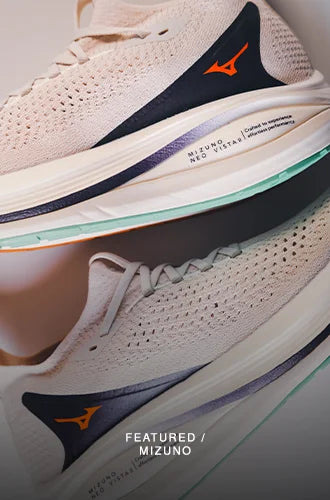
One shoe that is very versatile for runners who need comfort and performance is the Mizuno Neo Vista 2.
This shoe features nitrogen-infused midsoles and wave plates, which provide a balance between cushioning and stability for runners who need to handle different training sessions comfortably.
Mistake #7: Buying Shoes Online Without Proper Guidance
Online shopping is convenient. No question about it.
But when it comes to running shoes, guidance matters.
Two shoes might look nearly identical online but feel completely different on foot.
That is why runners often visit us in the store to chat about their training goals. Sometimes we recommend something they never considered.
Getting the right advice can save time, money, and frustration.
Even if you prefer buying online, it helps to know what features to look for and what type of shoe suits your running style.
Mistake #8: Waiting Too Long to Replace Old Shoes
Running shoes wear out gradually.
Even if the upper looks fine, the cushioning inside the shoe slowly loses its ability to absorb impact.
Most running shoes perform best for roughly 500 to 800 kilometres.
Continuing to run in worn-out shoes is one of the most overlooked running shoe buying mistakes.
Signs that it may be time for a replacement include:
• Shoes feeling flat or less responsive
• Worn out outsole tread
• Increased soreness after runs
When that happens, it might be time to explore new running shoes at Run Havoc.
A fresh pair often makes running feel smoother again.
Choosing the Best Running Shoes for Long Distance Track
Track racing requires something different from everyday training.
The best running shoes for long-distance track events focus on three things:
• Lightweight construction
• Efficient propulsion
• Secure fit for high-speed running
Shoes designed for track racing often include spike plates or aggressive propulsion systems that help maintain speed with less energy.
Runners targeting track races often choose specialised models like the Nike Dragonfly 2 Glam because it balances lightweight speed with enough cushioning to handle longer events like 5000m or 10,000m.
The right shoe can make a noticeable difference when chasing a personal best.
Why the Wrong Running Shoes Cause Injuries
Wearing the wrong running shoes can lead to several problems.
-
Poor cushioning increases impact stress on joints.
-
Incorrect sizing can cause blisters or black toenails.
-
Shoes designed for the wrong terrain reduce stability.
Over time, these small issues can turn into larger injuries like shin splints, plantar fasciitis, or knee pain.
Good shoes support natural movement while absorbing impact and maintaining stability.
This is why experienced runners pay close attention to their footwear.
It is not just about comfort. It is about long-term running health.
How to Avoid Buying the Wrong Running Shoes
Avoiding running shoe buying mistakes is easier than you might think.
Start with these simple steps.
First, think about your running goals. Are you training for distance, racing on the track, or exploring trails?
Second, consider comfort before style. The shoe should feel natural and supportive when you move.
Third, allow enough space in the toe box to account for swelling during longer runs.
Finally, choose shoes built for the terrain and distance you run most often.
When those factors line up, the right shoe almost always reveals itself.
Why Performance Shoes Matter for Long Distance Running
If you’re aiming for personal bests or tackling longer races, shoe technology can make a noticeable difference.
Performance shoes often include features like:
Carbon plates
These act like springs, helping push your foot forward.
Responsive foam
Lightweight foams return energy with each step.
Rocker geometry
This design encourages smoother transitions from heel to toe.
The long-distance track shoes at Run Havoc combine these elements with a carbon plate and high-rebound foam that helps deliver propulsion and efficiency during fast runs.
For runners chasing the best running shoes for long-distance track, that kind of responsiveness can help maintain pace over extended distances.
Run Havoc’s Advice for Finding Your Perfect Pair
At Run Havoc, we believe running should feel good.
The right shoe can turn a tough session into an enjoyable one. It can help you push further, recover faster, and run with confidence.
Whether you are searching for the best running shoes for long-distance track, a cushioned daily trainer, or a race-ready carbon shoe, the key is finding something that works with your running style.
And sometimes that simply comes down to trying a few pairs and listening to how your body responds.
Running is personal. Your shoes should be too.
Explore our full range here: Run Havoc
Your next great run might start with the right pair of shoes.
FAQs
1. What to look for when buying running shoes?
Look for comfort, correct sizing, and a shoe that matches your running style. Cushioning, breathability, and grip also matter depending on the terrain you run on. The best running shoe should feel natural when you move.
2. Why do the wrong running shoes cause injuries?
Shoes that lack proper support or cushioning can increase stress on muscles and joints. Over time, this can lead to issues like shin splints, knee pain, or plantar fasciitis.
3. How to avoid buying the wrong running shoes?
Start by understanding your running goals and the surfaces you run on. Try shoes designed for those conditions and make sure there is enough room in the toe box. Seeking advice from experienced running specialists can also help you avoid common running shoe mistakes.
4. How often should running shoes be replaced?
Most running shoes last between 500 and 800 kilometres, depending on usage and terrain. Replacing shoes regularly helps maintain cushioning and reduce the risk of injury.
5. Are track spikes good for everyday running?
Track spikes are designed for racing on tracks and are usually not suitable for everyday road running. For regular training, cushioned running shoes provide better comfort and durability.